Many outdoor enthusiasts recognize the pragmatic appeal of a reliable metal base. It promises high durability. It ensures incredibly easy assembly. It also requires a notably lower maintenance burden than traditional wood. You can set it up quickly. You do not need specialized carpentry skills.
The current outdoor market is flooded. You see identical-looking tubular models everywhere. However, hidden variances dictate real performance. Slight differences in steel gauge matter immensely. Powder-coating quality varies between brands. Joint construction determines long-term stability. These factors dictate whether a frame lasts a decade or rusts in a single season. Consumers often struggle to spot these differences.
This guide bypasses exaggerated marketing claims. We provide an objective evaluation framework. You will learn how to select the right model in 2026. We base this framework on compatibility. We evaluate structural integrity strictly. We also examine environmental resilience. You can finally make an informed decision based on facts.
Key Takeaways
- Compatibility is paramount: A 9-foot stand serves gathered-end (Brazilian) hammocks, while 12-to-15-foot stands are strictly required for spreader-bar hammocks.
- Look past claimed weight capacities: Assess the gauge of the steel tubing and the quality of the hardware (S-hooks and chains) rather than relying solely on advertised load limits.
- Weatherproofing has limits: Even premium powder-coated steel requires active maintenance (like clear-coating joints and winter storage) to prevent internal rust.
- Tool-free assembly involves trade-offs: Snap-}
Evaluating Hammock Stand Compatibility
Matching your fabric sling to the correct frame prevents sagging. It also ensures ultimate user safety. A common mistake involves pairing a long spreader-bar design to a compact base. You must measure carefully.
Follow these steps for accurate measurement:
- Measure the total length of your fabric from ring to ring.
- Add two full feet to this initial measurement.
- Use this final number as your minimum required frame length.
You should always check the exact manufacturer specifications. A standard Steel Hammock Stand usually measures around nine feet long. This size perfectly accommodates Brazilian or Mayan styles. Gathered-end models stretch significantly over time. The shorter frame supports this stretching nicely.
Spreader-bar styles demand longer frames. They require 12 to 15 feet of clearance. These rigid designs do not drape naturally. They stretch taut across the anchor points. A mismatched setup causes immediate tipping risks. We recommend measuring twice before finalizing your choice. You will avoid frustrating return processes entirely.
Analyzing Portability for Camping and Travel
Many users want total mobility. They take their gear on weekend trips. A permanent backyard setup feels too restrictive. Manufacturers now offer highly portable options. These frames prioritize lightweight materials. They often sacrifice some overall weight capacity.
Portability requires specific engineering choices. The longest tube piece must fit inside a standard trunk. Most portable units break down into five distinct pieces. You carry them in a durable canvas bag. We recommend checking the total packed weight. A 30-pound bag feels manageable. A 50-pound bag becomes exhausting quickly.
You must balance mobility against stability. Lighter frames shift easily on uneven ground. They require careful placement at your campsite. Always test the ground firmness first. Soft mud allows the legs to sink deeply. This creates an immediate tipping hazard. We suggest placing flat rocks under the contact points. This simple trick increases surface area. It stabilizes the entire rig effectively.
![Steel Hammock Stand]()
Structural Integrity and Steel Gauge Quality
Marketing materials often highlight massive weight capacities. They might claim limits exceeding 500 pounds. You must look beyond these advertised numbers. Brands sometimes inflate load ratings for appeal. Real structural integrity relies entirely on tubing thickness. It also depends on hardware quality.
Let us examine metal gauge standards closely. Lower gauge numbers indicate thicker metal walls. A 12-gauge tube offers superior strength compared to a 15-gauge tube. Thicker walls prevent bending under dynamic loads. When you sit down quickly, you create a dynamic load. Thin walls warp over time under this stress.
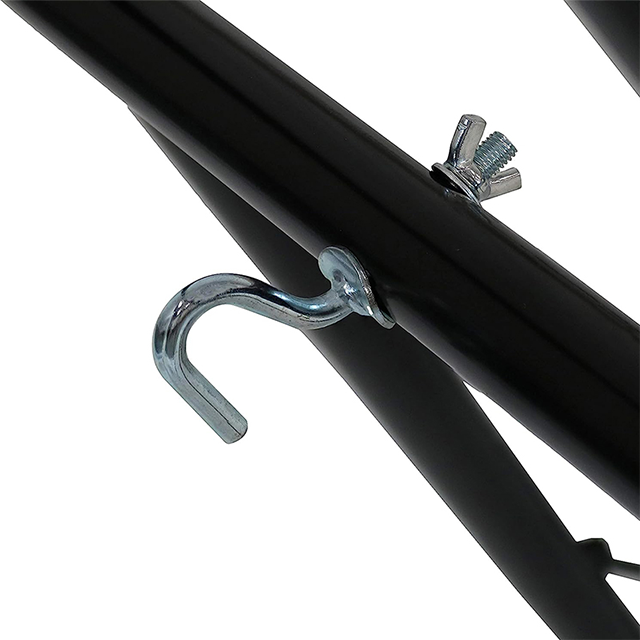
We also must evaluate the connection hardware. Heavy-duty suspension components carry the entire load.
- Solid metal hooks resist deformation under tension.
- Welded chain links prevent accidental separation.
- Reinforced anchor points distribute weight evenly.
A premium frame uses zinc-plated hardware. This treatment stops surface corrosion. Routine inspections keep you safe. You should check hooks for stretching annually. Replace any deformed components immediately.
Comparing Hardware Materials
Metals behave differently outdoors. You need reliable hardware connections. Standard untreated iron rusts incredibly fast. Moisture in the air triggers oxidation immediately. You should avoid basic iron completely.
We prefer zinc-plated components. Zinc acts as a sacrificial barrier. It corrodes before the underlying material does. This process protects overall structural integrity. Stainless steel offers even better protection. It contains chromium. Chromium forms an invisible shield against rust. It represents a premium manufacturing choice.
Examine the S-hooks closely. They bear the brunt of the physical load. Open hooks often bend outward over time. Closed carabiners provide superior safety. They lock securely into the chain links. A swinging motion cannot dislodge them. Upgrading standard hooks to climbing-rated carabiners takes minutes. It represents a massive safety improvement. You gain peace of mind instantly.
Environmental Resilience and Weatherproofing Limitations
Brands frequently advertise completely weatherproof finishes. They usually rely on powder-coated treatments. Powder coating applies a dry plastic powder. Heat then cures this powder into a hard shell. It works wonderfully against rain and UV rays. However, this protective layer has distinct limitations.
Moisture inevitably finds a way inside. It enters through the joint seams. Scratches also expose raw metal to the elements. Once water enters, internal rust develops rapidly. You might not see it until a structural failure occurs. We recommend proactive maintenance.
You can extend the lifespan significantly. Apply a spray-on clear coat over all joints. Do this during your initial assembly. Repeat this process every spring season. Consider winter storage essential. Freezing temperatures weaken metal joints. Snow buildup traps moisture against the frame. Disassemble the unit before the first frost. Store it in a dry garage. These simple habits protect your equipment for years.
Assembly Mechanisms: Tool-Free vs. Bolted Joints
Modern designs prioritize user convenience. Many feature tool-free assembly mechanisms. These utilize spring-loaded snap buttons. You slide one tube into another. The button pops through a pre-drilled hole. It locks the pieces together securely. This setup takes mere minutes. You do not need wrenches or screwdrivers.
However, convenience introduces specific trade-offs. Snap-button joints inherently allow slight movement. They must have tiny gaps to slide together. This clearance creates a slight wobble during use. Over many years, metal friction wears down the coating. Rust often starts at these friction points.
Bolted joints offer an alternative approach. They require tools and more time. You must tighten nuts onto threaded bolts. This method creates a rigid, unified structure. Bolted frames rarely squeak or sway independently. We find them superior for permanent patio installations. Tool-free models work better for camping trips. They dismantle quickly. Choose the mechanism matching your lifestyle.
Top Evaluation Criteria for 2026
We compiled an objective matrix. This chart helps you compare different models. We based these standards on current manufacturing trends. Use it as a reliable reference guide.
| Evaluation Metric | Standard Options | Premium 2026 Recommendations |
| Metal Thickness | 14 to 16 Gauge | 11 to 12 Gauge |
| Protective Coating | Single-layer basic paint | Double-layer baked powder coat |
| Hardware Type | Open-link iron chains | Welded zinc-plated chains |
| Joint Construction | Loose snap-button fittings | Precision-milled bolted connections |
Do not settle for subpar components. Quality materials guarantee long-term safety. Review this table before finalizing your choice. It clarifies the differences between basic and premium options.
Common Mistakes When Setting Up Your Base
Many users rush the initial setup process. They skip reading the manufacturer instructions completely. This impatience leads to frustrating errors. It also compromises overall safety. We see several recurring mistakes in outdoor spaces.
First, people often place the frame on uneven ground. A stable base requires a completely flat surface. Placing it on sloping grass causes unequal weight distribution. One side bears too much tension. The tubing will eventually warp under this stress. You must level the ground beforehand. Use patio stones to create a flat foundation.
Second, users frequently attach the fabric too tightly. The material should have a gentle curve. We call this the "smile" of the drape. Pulling it completely flat creates excessive lateral force. It pulls the vertical arms inward. This tension bends the vertical supports permanently. Always leave enough slack for a comfortable drape.
Understanding Dynamic Load vs. Static Load
Weight capacities cause significant confusion among buyers. You read a limit of 450 pounds. You assume two adults can use it safely. This assumption ignores the reality of dynamic forces. It creates a dangerous false sense of security.
Static load refers to resting weight. Imagine placing 400 pounds of sandbags onto the fabric. The frame simply holds the stationary mass. It handles static weight quite easily. The forces remain completely steady and predictable.
Dynamic load happens when humans interact. You drop into the seat heavily. Kids swing back and forth aggressively. A dog jumps up suddenly. These actions multiply the effective force instantly. A 200-pound person dropping abruptly exerts a much higher peak force. It can easily exceed 400 pounds for a split second. Thicker steel absorbs dynamic shocks without deforming. We strongly advise halving the advertised static limit. Treat that new number as your safe dynamic limit.
Evaluating Footprint and Space Requirements
Space planning requires careful attention. A full-sized frame occupies a substantial footprint. You cannot tuck it into a tight corner. We must consider both physical dimensions and functional clearance.
Most heavy-duty models span 15 feet in length. They generally measure four feet in width. The actual footprint needs more surrounding space. The fabric sways outward during use. People need room to approach and sit down safely. Blocking pathways creates annoying obstacles.
Forcing a large frame into a small balcony causes damage. The swinging fabric might scrape against brick walls. Friction destroys the delicate threads quickly. A heavy Steel Hammock Stand deserves a dedicated, open zone. Proper placement maximizes your enjoyment. It also protects your surrounding furniture from accidental impacts. Measure your patio thoroughly.
The Role of Suspension Angles
The angle of your suspension dictates your comfort. It also affects the structural stress on the frame. Industry standards recommend a specific resting angle. You should aim for roughly 30 degrees from horizontal.
This 30-degree angle provides optimal balance. It creates a comfortable, flat diagonal sleeping position. It also minimizes the sheer force pulling the support arms inward. When you hang the fabric too tightly, the angle drops. A 15-degree angle doubles the lateral tension. The tubes must fight incredibly hard to stay upright. Over time, this extreme tension stretches the metal.
Conversely, hanging it too loosely increases the angle. A 45-degree angle creates a deep, uncomfortable U-shape. It squeezes your shoulders together tightly. It also places excess downward force on the central base joint. Adjust the chains carefully. Test the angle by lying down. Make micro-adjustments until you hit that perfect sweet spot.
Seasonal Storage and Maintenance Routines
Routine care guarantees longevity. Metal products demand consistent attention outdoors. You cannot simply leave them exposed indefinitely. We developed a highly effective seasonal routine. It preserves your equipment perfectly.
Start your spring by inspecting all components thoroughly. Look closely at the welded joints. Check for tiny hairline cracks in the paint. Wipe the entire surface using a damp cloth. Remove all dust and pollen. Apply a thin layer of automotive wax. This wax repels morning dew effectively.
During mid-summer, monitor the hardware connections. Tighten any loose bolts immediately. Squeaking indicates parts rubbing together. Apply a silicone-based lubricant to silence these noises. Never use heavy grease. Grease attracts dirt and creates a messy paste. Fall signals the end of the primary season. Disassemble the unit completely. Store the poles horizontally inside a dry garage. Keep them off the concrete floor.
Conclusion
Selecting the ideal outdoor setup requires informed decision-making. You now possess a clear evaluation framework. Ignore flashy marketing claims. Focus on tangible engineering metrics instead.
- Always match your base length to your specific fabric type.
- Prioritize thick-gauge metal over inflated static weight capacities.
- Commit to a proactive seasonal maintenance routine immediately.
- Choose bolted joints for permanent setups and tool-free designs for travel.
Next steps involve measuring your available outdoor space carefully. Decide whether you prefer a gathered-end or spreader-bar style. Finally, inspect the hardware quality before making any final commitment. Enjoy your elevated outdoor relaxation confidently.
FAQ
Q: How do I stop my stand from squeaking when swinging?
A: Squeaking typically occurs at the metal-to-metal connection points. You should disassemble the noisy joint completely. Clean both pieces using a dry cloth. Apply a light silicone lubricant to the contact areas. Reassemble the joint and ensure bolts are fully tightened. Avoid oil-based lubricants because they attract abrasive dirt over time.
Q: Can I leave my frame outside during winter?
A: We strongly advise against leaving it exposed to freezing weather. Snow and ice trap moisture against the protective coating. Freezing water expands inside tiny joint gaps. This expansion cracks the paint and accelerates internal rusting. Disassemble the unit and store it in a dry, covered area during harsh winters.
Q: What is the ideal angle for hanging my fabric?
A: Industry experts recommend a 30-degree suspension angle from the horizontal plane. This specific angle distributes the load perfectly. It prevents excessive lateral tension on the upright arms. It also provides the flattest, most comfortable sleeping position across the diagonal axis. Adjust your chains until you achieve this ideal drape.
Q: Why does my fabric touch the ground when I sit?
A: Your fabric likely stretched after initial use. Cotton and nylon materials expand significantly under body weight. You also might have the chains set too loose. Shorten the attachment chains by moving the suspension hook down a few links. If the problem persists, your frame might be too short.