While a Bar Hammock Chair offers superior structural openness and aesthetic appeal compared to traditional hammock designs, they introduce specific spatial, material, and installation requirements. This wide design prevents the fabric from wrapping tightly around you. However, it demands careful planning regarding overhead clearance and anchor point strength.
Buyers actively evaluating options must look beyond basic definitions. You need practical evaluation criteria focused on durability, safety, and environmental suitability. A chair hung outdoors faces completely different weathering stressors than one placed in a climate-controlled living room.
This guide serves as a pragmatic framework. It helps you match the right chair specifications to your intended space and daily usage habits. You will learn how to evaluate core materials, calculate necessary spatial clearances, and choose the correct safety hardware.
Key Takeaways
- Structural Trade-offs: Spreader bars keep the chair open for easier entry and exit, but require wider spatial clearance and precise center-of-gravity balancing to prevent tipping.
- Material Selection Dictates Lifespan: Cotton offers peak breathability for indoor use, while spun polyester or weather-treated acrylics are mandatory for long-term outdoor survival.
- Hardware is Non-Negotiable: Safe installation relies entirely on the structural integrity of the anchor point (e.g., ceiling joists, heavy-duty stands) and dynamic weight-rated hardware.
- Decision Criteria: Final selection should be based on a matrix of weight capacity, material weatherability, and available footprint.
The Spreader Bar Advantage: Functional Mechanics and Trade-offs
A rigid spreader bar completely changes how you interact with a hanging chair. Manufacturers typically craft these bars from solid wood or heavy-duty metal. The bar physically forces the suspension cords wide. This mechanical separation distributes your weight across a broader surface area. It fundamentally prevents the seating fabric from cocooning your body. You remain elevated, supported, and structurally unconfined. This design architecture maximizes airflow around your torso.
This wide architecture delivers distinct accessibility and ergonomic benefits. Traditional, non-bar models wrap tightly around your shoulders. This often makes entering and exiting awkward. The open structure of a bar design is heavily preferred for users requiring easier entry. People with limited mobility find navigating the open seat much simpler. Additionally, it leaves your arms completely free. You can read a book, hold a cup of coffee, or use a laptop comfortably. The fabric never obstructs your peripheral view or restricts your elbows.
However, you must understand the tipping reality associated with this openness. Because the bar distributes weight much wider than a single overhead suspension point, the chair becomes sensitive to balance. Sudden lateral movements can cause tipping. High-quality designs mitigate this risk effectively. Expert manufacturers incorporate deeper seating pockets to intentionally lower your center of gravity. They also utilize optimized suspension cord lengths. These precise cord ratios ensure the chair swings predictably rather than wildly. You should always sit dead center. Avoid leaning heavily over the side armrests.
Best Practices for Safe Usage
- Always back into the seat slowly while holding the lowest suspension cords.
- Ensure your feet touch the ground lightly when initially sitting down.
- Never stand on the fabric or use the chair as a traditional swing.
Evaluating Core Materials: Fabrics and Bar Construction
Evaluating materials ensures your chair survives its intended environment. You must scrutinize both the spreader bar and the fabric independently. A premium fabric attached to a weak bar creates a significant safety hazard. Conversely, a robust metal bar paired with inferior cotton will degrade quickly outdoors.
Spreader Bar Materials
The spreader bar bears immense horizontal compression force. Material selection dictates its longevity and safety.
| Material Category | Common Types | Structural Integrity | Ideal Use Case |
| Hardwoods | Oak, Teak, Bamboo | Excellent. High density resists bending and offers natural rot resistance. | Long-term outdoor use or premium indoor installations. |
| Softwoods | Pine, Spruce | Moderate. Lower cost, but prone to bowing or snapping under dynamic weight. | Occasional indoor use only. Avoid for heavy outdoor exposure. |
| Metals | Powder-coated Steel, Aluminum | Maximum strength. Steel is heavy; aluminum is lightweight and rust-proof. | High-traffic areas or commercial environments. |
Hardwoods represent the gold standard for longevity. Teak and bamboo possess natural oils. These oils repel water and prevent insect infestation. Softwoods lower the initial purchase barrier. However, they remain highly prone to bowing under dynamic weight. We recommend avoiding softwoods for heavy outdoor use entirely. Metal bars provide maximum strength. However, steel remains highly susceptible to rust if the powder coating gets scratched. Aluminum offers a better rust-resistant alternative, though it costs more.
Fabric and Weave Types
The seating material dictates comfort, breathability, and weather resistance. Match the fabric strictly to your planned usage location.
- Cotton Canvas: This material offers exceptionally high comfort. It feels soft against bare skin and remains highly breathable. However, cotton acts like a sponge. It absorbs humidity and is highly prone to mold and rapid UV fading. We give cotton a strict indoor or covered-patio recommendation.
- Polyester and Solution-Dyed Acrylics: These synthetic fibers are inherently UV-resistant and quick-drying. They exhibit minimal stretching over time. Solution-dyed acrylics hold their color indefinitely because the dye permeates the entire fiber. Synthetics represent the absolute baseline requirement for exposed outdoor use.
- Macrame and Woven Rope: Rope designs offer high aesthetic value. The open weave conforms perfectly to the body, eliminating pressure points. You must note the critical difference in rope materials. Cotton rope stretches significantly over time and absorbs rainwater. Synthetic rope maintains its shape and sheds water instantly.
![Bar Hammock Chair Guide]()
Hanging Systems, Space Requirements, and Safety
Space and structural integrity matter most during installation. You cannot compromise on clearance metrics or hardware strength. A poorly anchored Bar Hammock Chair poses a severe injury risk.
Spatial Clearances
You must provide concrete metrics for spatial planning. We recommend a minimum overhead clearance between 7 and 9 feet from the floor to the anchor point. This height allows the suspension cords to hang at their proper tension. If the ceiling is too low, the chair will drag. If it is too high, you need extension chains. You also need a radial clearance of at least 3 feet from walls or surrounding furniture. This creates a safe swing radius and prevents the spreader bar from smashing into drywall.
Anchor Point Realities
Anchor point realities carry serious implementation risks. For ceiling mounts, finding a solid structural joist is an absolute necessity. Drywall anchors will fail catastrophically under moving weight. You must use a stud finder. Drill pilot holes directly into the center of solid wood joists.
If you lack structural anchor points, consider hammock C-Stands. These standalone frames solve the mounting problem for renters. They also work perfectly for modern homes with weak ceiling trusses. You must carefully discuss footprint requirements. C-Stands usually require a 4-by-4-foot floor space. Always verify the specific weight limits of standalone frames. The stand must support both the chair and the occupant simultaneously.
Hardware Specifications
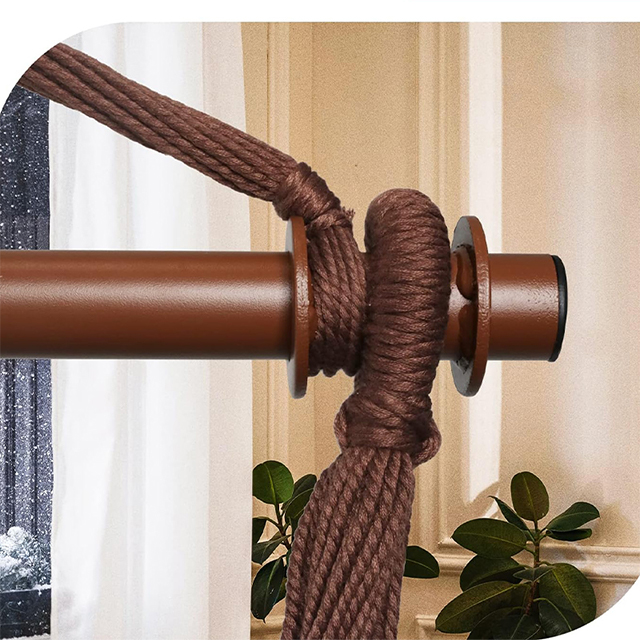
Hardware specifications require professional-grade, weight-rated components. We advise on the absolute necessity of swivel hooks. A swivel mechanism prevents the main suspension cord from twisting. Without it, rotational friction will quickly wear through the rope fibers. Combine the swivel with heavy-duty steel carabiners and thick suspension chains.
Critically, you must ensure all hardware is rated for dynamic moving weight, not just a static load. A person sitting perfectly still exerts static weight. A person swinging generates G-force. This dynamic motion can easily double the effective load placed on the anchor and hardware.
Indoor vs. Outdoor Usage: Matching Style to Environment
Your deployment environment dictates daily care routines and aesthetic integration. Treating an outdoor setup like an indoor fixture leads to rapid material decay.
Outdoor Deployment
Outdoor deployment exposes materials to harsh weather degradation factors. UV radiation breaks down unprotected cotton fibers, causing them to turn brittle and tear. Rain creates severe moisture buildup in the spreader bar drill holes. Water pools inside these holes, accelerating internal wood rot unseen. To combat this, you must adopt strict winterization and storage protocols.
Bring the chair inside during extended rain storms or freezing temperatures. If bringing it inside is impossible, use a waterproof cover. Regularly inspect the drill holes for signs of black mildew. Applying a thin coat of marine varnish to a wooden spreader bar annually will dramatically extend product life.
Indoor Integration
Indoor integration focuses primarily on aesthetic considerations and floor-space consumption. A suspended chair creates a striking visual focal point in a bedroom, living room, or sunroom. It frees up valuable floor space compared to bulky recliners or traditional accent chairs. The room immediately feels more open and airy.
You also gain the benefit of temporary removal. By using a simple carabiner clip system, you can easily un-clip the chair from the ceiling mount in seconds. This instantly opens up the room during high-traffic home events or deep cleaning sessions. When integrating indoors, consider matching the fabric color to your existing throw pillows or window treatments to create a cohesive design.
Shortlisting Logic: How to Choose Your Bar Hammock Chair
Use this logical, four-step sequence to finalize your purchase. Methodical evaluation prevents mismatched expectations and ensures long-term satisfaction.
- Step 1: Define the Anchor Strategy. Determine exactly where the chair will hang before looking at designs. Do you have an exposed structural joist? Do you have a sturdy mature tree branch? Or do you need a standalone C-stand? Your anchor strategy directly dictates the maximum chair size and required hanging length.
- Step 2: Verify Weight Capacity. You must check two separate ratings: the fabric's tensile rating and the spreader bar's stress limit. The overall capacity is only as strong as its weakest component. We strongly recommend a minimum 300 lb combined capacity. This provides an adequate safety buffer for dynamic swinging and accidental overloading.
- Step 3: Select Material by Exposure. Let the environment dictate the fabric. Direct sun and heavy rain demand synthetics like solution-dyed acrylic or spun polyester. Protected living rooms or bedrooms allow for the luxurious comfort of cotton canvas or intricate macrame cord.
- Step 4: Assess Warranty and Brand Transparency. Look for transparent claims regarding fabric treatments and hardware grading. Reputable manufacturers explicitly state whether their hardware is stainless steel or standard zinc-plated. A solid multi-year warranty indicates confidence in the spreader bar's structural integrity.
Conclusion
The ideal bar hammock chair perfectly balances the aesthetic appeal of the open-bar design with rigorous safety hardware. It relies entirely on environment-appropriate materials to survive daily use. Hardwoods and synthetic fibers dominate outdoor durability. Soft cottons and intricate macrame weaves rule interior spaces. Regardless of the environment, hardware integrity remains the ultimate non-negotiable factor. You must prioritize dynamic weight ratings and secure anchor points above all else.
Before you begin browsing specific product catalogs, grab a tape measure. Accurately measure your intended overhead joist height. Map out the available floor footprint to ensure a safe three-foot radial clearance. Completing these precise measurements right now will immediately filter out incompatible options and guide you toward a safe, comfortable purchase.
FAQ
Q: Are bar hammock chairs safe for kids?
A: Yes, but they require strict supervision. The wider spreader bar introduces a tipping risk if weight shifts rapidly to one side. Kids often treat them like playground swings. To maximize safety, hang the chair at a lower clearance height so feet easily touch the floor. Teach children to sit dead center and avoid leaning heavily over the edges.
Q: Can I wash a bar hammock chair?
A: Washing involves complications due to the rigid spreader bar. You cannot place the entire assembly into a washing machine. We recommend spot cleaning the fabric using a mild detergent, warm water, and a soft-bristled brush. If the specific design allows you to completely detach the fabric from the wooden bar, you can hand-wash the fabric separately.
Q: What is the difference between static and dynamic weight capacity?
A: Static capacity measures the weight a chair holds while perfectly still. Dynamic capacity accounts for the force generated during movement. Swinging creates G-force. A 200 lb person swinging actively exerts significantly more than 200 lbs of force on the anchor point, cords, and bar. Always ensure your hardware is rated for dynamic loads.
Q: Do I need a special stand for a bar hammock chair?
A: Yes, if you lack a structural ceiling joist. You need a specific "C-stand" designed vertically for chairs. Traditional long hammock stands are built horizontally for full-length sleeping hammocks and will not work. Ensure the C-stand offers sufficient vertical height (usually 7 feet) to keep the chair from dragging on the base.