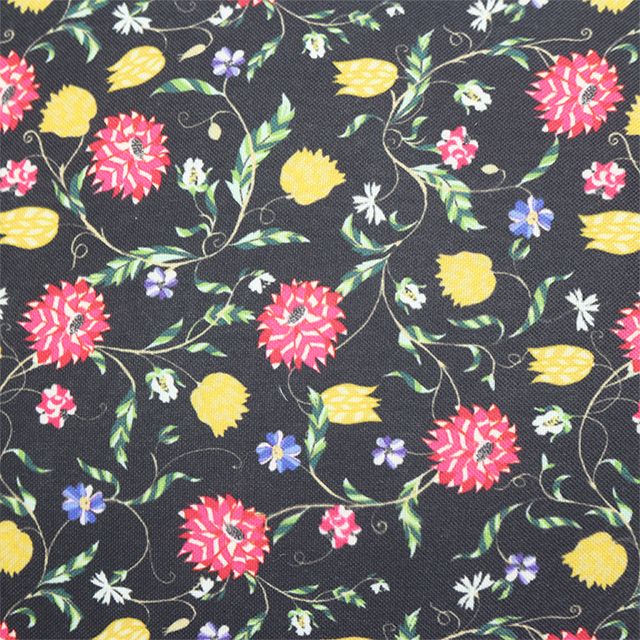
Constant replacement cycles frustrate many patio owners. You often choose patio decor based purely on colors or attractive patterns. A few months later, these fabrics fade, mold, or completely degrade. The 19x19 inch size represents the industry standard for deep seating and lounge chairs. Therefore, a poor material choice scales into a major mistake across your entire patio set. Many brands use vague marketing buzzwords like "weatherproof" to sell inferior goods. We want to move past this noise. In this guide, we objectively evaluate the chemical makeup and implementation realities of standard patio textiles. You will learn exactly how to match the right fabric to your specific climate. By understanding these materials, you can avoid seasonal replacements and finally enjoy a long-lasting, comfortable patio setup.
Key Takeaways
- Highest Durability & Fade Resistance: Solution-dyed acrylics (e.g., Sunbrella) offer the longest lifespan in high-UV climates but carry a premium upfront cost.
- Best Budget & Covered-Patio Option: Spun polyester is cost-effective and offers vibrant prints, but typically degrades within 1–2 seasons if exposed to direct elements.
- Top Value/Performance Balance: Olefin provides excellent moisture resistance and durability at a mid-tier price point, though it is sensitive to extreme heat.
- The Hidden Variable: The pillow insert (fill material) matters just as much as the cover fabric for preventing internal mold and ensuring rapid water drainage.
The Evaluation Criteria: How We Measure Outdoor Pillow Fabrics
We use strict benchmarks to grade patio textiles. You need to know exactly how materials hold up in real conditions. We break our evaluation down into four core categories. This framework helps you cut through deceptive marketing claims.
- UV Resistance & Colorfastness: Industry experts measure fade resistance in "light hours." We differentiate between surface-printed colors and solution-dyed fibers. Surface prints fade quickly. Solution-dyed colors go straight to the core.
- Water vs. Moisture Resistance: We clarify the gap between "waterproof" and "water-resistant." Waterproof materials trap internal moisture. This causes interior mold. Water-resistant fabrics allow water to bead off. They also remain breathable so internal moisture can evaporate.
- Maintenance & Cleanability: We assess the real-world ease of removing mildew, bird droppings, or tree sap. You should be able to clean the fabric without degrading its protective coating.
- Comfort & Hand-Feel: We evaluate the trade-off between extreme durability and skin-friendly softness. Highly durable materials often feel stiff or plastic-like. You need softer fabrics for prolonged seating comfort.
Common Mistake: Many buyers prioritize waterproof ratings over breathability. This usually results in a swampy, mold-infested interior foam. Always prioritize breathability for humid climates.
Solution-Dyed Acrylic (The Premium Standard)
Solution-dyed acrylic represents the gold standard for exterior textiles. Manufacturers create these synthetic fibers by dyeing them before they become yarn. The color goes all the way through the material. Think of it like a carrot, rather than an apple. If you slice a carrot, it remains orange inside. If you scratch the fabric, you never expose a white interior.
The Pros
- Exceptional UV resistance: Manufacturers often rate these fabrics for 1,500+ hours of direct sun. They survive harsh climates effortlessly.
- Highly resistant to mold and mildew: The inorganic material gives spores nothing to feed on. Mold simply cannot grow on the fibers themselves.
- Soft, canvas-like texture: The fabric feels incredibly soft. It remains suitable and comfortable for direct skin contact.
The Cons
- High initial investment: You will pay a premium upfront. These textiles typically cost two to three times more than basic synthetics.
- Prone to static cling: The synthetic nature generates static electricity. Heavy abrasion can also cause the surface to pill over time.
Best For: We recommend solution-dyed acrylic for uncovered pool decks and south-facing patios. It perfectly suits buyers looking for a reliable five-plus year lifespan.
![Outdoor pillow material comparison]()
Spun Polyester (The Accessible Standard)
Spun polyester remains the most common fabric found in big-box retail stores. Manufacturers spin traditional polyester fibers to mimic the soft feel of cotton. They typically screen-print complex designs directly onto the surface. Afterward, they apply UV-resistant surface coatings to provide basic protection.
The Pros
- Highly affordable: This low-cost entry point makes seasonal aesthetic updates very cost-effective.
- Vibrant aesthetics: It is available in the widest variety of complex, high-resolution prints. You can easily find bright, tropical patterns.
- Quick-drying: Polyester naturally resists water absorption. It dries out quickly after a light morning dew.
The Cons
- Poor UV resistance: Surface-printed colors fade rapidly. They often lose their vibrancy completely within three to six months of direct sun.
- Fragile protective coatings: The chemical coatings degrade easily. A few cycles in the washing machine will strip away the water resistance.
Best For: This material works wonderfully for covered porches or heavily shaded areas. It also suits budget-conscious buyers planning on bringing cushions indoors after each use.
Olefin / Polypropylene (The Middle Ground)
Olefin is a synthetic fiber made from polyolefin. It delivers incredible performance without the massive upfront investment. The production process leaves a remarkably low carbon footprint. This makes it a much more eco-friendly choice compared to traditional synthetics. The color is added during the melting process, similar to acrylics.
The Pros
- Naturally resists elements: It repels water, stains, and mildew naturally. It does not require fragile chemical surface coatings to perform.
- Excellent abrasion resistance: The fibers withstand heavy friction. It remains highly durable against rough surfaces and energetic pets.
- Superior colorfastness: It easily outperforms polyester in sun resistance. It offers this performance while remaining more affordable than acrylics.
The Cons
- Heat sensitive: Olefin reacts poorly to extreme heat. It can melt or warp if placed against hot metal patio furniture left in intense sun.
- Limited design variety: You will find fewer complex patterns. It is usually restricted to solid colors and basic woven stripes.
Best For: We highly recommend olefin for high-traffic family patios and pet owners. It serves eco-conscious buyers wanting solid performance without the premium acrylic price tag.
PVC-Coated Polyester / Textilene (The Heavy-Duty Utility)
PVC-coated polyester, often known as Textilene, handles the most brutal environments. Manufacturers weave standard polyester yarn and heavily coat it in Polyvinyl Chloride plastic. This creates a mesh-like barrier. You often see this material on commercial sling chairs at public pools.
The Pros
- Nearly indestructible: The plastic coating prevents tearing and stretching. It easily survives extreme weather events and heavy abuse.
- Extremely easy to clean: Maintenance requires almost zero effort. You can literally hose it off or scrub it aggressively.
The Cons
- Uncomfortable "plastic" feel: It severely lacks coziness. You will not get the soft touch expected from standard patio cushions.
- Poor breathability: The heavy plastic layer restricts airflow. It can easily trap heat against bare skin during humid summer days.
Best For: Use this strictly for purely decorative accents left out year-round. It works best in harsh, wet climates where durability heavily outweighs comfort.
Material Comparison Chart
| Material | UV Resistance | Moisture Resistance | Comfort Level | Ideal Application |
| Solution-Dyed Acrylic | Excellent (1,500+ hours) | High (Breathable) | Very Soft (Canvas-like) | Direct Sun / Premium Patios |
| Spun Polyester | Low (Fades quickly) | Moderate (Coating dependent) | Soft (Cotton-like) | Covered Porches / Shade |
| Olefin | Very Good | High (Inherent) | Moderate to Soft | High-Traffic / Family Use |
| PVC-Coated Polyester | Good | Extreme (Waterproof) | Stiff / Uncomfortable | Harsh Wet Climates |
Decision Framework: Matching Material to Your Specific Use Case
Choosing the right fabric requires an honest assessment of your specific environment. Do not blindly purchase the most expensive option. Instead, match the chemical properties to your local weather patterns. Here is exactly how we break down the most common scenarios.
The "High Sun" Setup: Direct afternoon sun destroys basic textiles rapidly. If your 19x19 Outdoor Pillows face harsh western exposure, reject polyester immediately. You will waste money replacing them by August. Limit your shortlist exclusively to Solution-Dyed Acrylic or UV-treated Olefin.
The "High Humidity" Setup: Humid environments demand superior breathability. You must avoid heavy waterproof canvases. They trap internal moisture and breed bacteria. Look for Olefin paired with a reticulated foam insert. This combination allows water to drain straight through without pooling.
Health & Safety Considerations: Many families worry about PFAS, commonly known as "forever chemicals." Manufacturers often use these in water-repellent coatings. If you want a safer environment, prioritize inherently moisture-resistant materials like Olefin. Alternatively, look for OEKO-TEX® certified acrylics. These certifications guarantee the fabric remains free from harmful chemical levels.
The Hidden Component (Inserts): A premium cover remains useless if wrapped around cheap fill material. Standard cotton inserts hold water like a sponge. This guarantees massive mold growth. Ensure the core matches the cover's performance. You should specifically seek out blown polyester fiberfill or open-cell reticulated foam. They dry rapidly and resist bacterial buildup.
Conclusion
There is no single "perfect" material available on the market today. You will only find the correct material for your specific climate and budget. Ignoring your environmental realities guarantees a poor experience.
For sheer longevity and long-term value, Solution-Dyed Acrylic wins effortlessly. For shaded, seasonal use, Spun Polyester provides sufficient performance and beautiful aesthetics. For the absolute best balance of cost, durability, and eco-friendliness, Olefin represents the smartest compromise.
Before purchasing, measure your existing chairs to confirm proper dimensions. Always measure seam-to-seam across the center, never edge-to-edge. Next, verify the zipper quality. Look specifically for marine-grade nylon zippers. Finally, check the manufacturer's specific UV warranty to ensure your investment stays protected.
FAQ
Q: Can I leave my 19x19 outdoor pillows in the rain?
A: Yes, but with precautions. While covers may be water-resistant, sustained downpours will eventually penetrate the seams and zippers. We highly recommend tilting them vertically against your chairs. This aids rapid water runoff and prevents moisture from pooling in the center depressions.
Q: Why are my "waterproof" outdoor pillows getting moldy?
A: True waterproof barriers trap internal humidity. If dampness enters through a zipper, it cannot escape. Additionally, mold rarely grows on the synthetic fabric itself. It feeds on trapped dirt, pollen, and skin oils resting on the surface. Frequent surface cleaning prevents this.
Q: Is Sunbrella the only good outdoor fabric?
A: No. Sunbrella is simply a dominant brand name for solution-dyed acrylic. Competing brands like Outdura or Bella-Dura offer the exact same chemical compositions. They provide identical durability, fade resistance, and softness, often at highly competitive price points.
Q: How do I clean heavily soiled outdoor pillow covers without ruining them?
A: Remove the covers and use mild dish soap mixed with lukewarm water. Gently scrub with a soft-bristle brush. Rinse thoroughly and air dry only. Never use high-heat machine drying. Extreme heat destroys factory protective coatings and permanently shrinks the synthetic fibers.