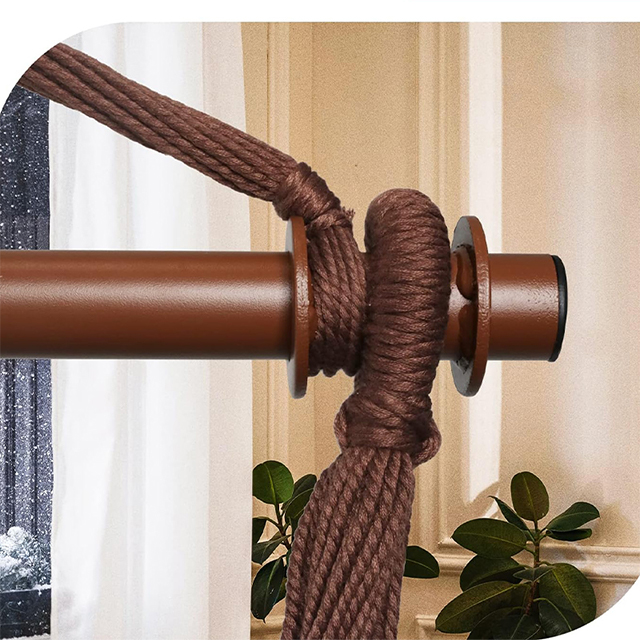
Finding the perfect balance between ergonomic comfort and structural safety is essential. A poorly constructed seat often leads to a frustrating experience. A failure in either the spreader bar or the fabric weave results in poor posture, rapid degradation, or even physical injury. Buyers evaluating these seats must carefully compare load capacities, material longevity across indoor and outdoor environments, and strict installation requirements. You need equipment you can trust over multiple seasons. We provide an objective breakdown of top-tier models here. We evaluate them strictly on verifiable weight limits, material science, and long-term durability. By understanding these structural components, you will make a smarter, safer choice for your lounging space. Knowing how to assess tension distribution and fabric resilience ultimately saves you from replacing a broken chair after just one summer.
Key Takeaways
- Hardware dictates lifespan: Solid hardwood or steel spreader bars with grooved rope notches significantly outperform untreated softwood in preventing rope slippage and structural snapping.
- Fabric defines the use case: Cotton blends offer superior indoor breathability, while marine-grade polyester or coated canvas is mandatory for UV and moisture resistance outdoors.
- Clearance is critical: A standard bar hammock chair requires a minimum of 7 feet of vertical suspension clearance and 3-4 feet of horizontal pivot space.
- Weight capacity baselines: High-quality residential models should support a verifiable minimum of 300 to 330 lbs, backed by heavy-duty steel mounting hardware.
Core Evaluation Criteria for a Reliable Bar Hammock Chair
Evaluating a reliable suspension seat requires a strict look at its underlying mechanics. We must examine how physical stress moves through the materials. Proper load-bearing architecture separates exceptional designs from fast-fashion alternatives. Tension distribution starts at the seating pouch. The fabric must funnel the sitter's weight evenly into the suspension cords. These cords then transfer the downward force across the entire width of the spreader bar. If this tension distribution is unequal, certain ropes will snap under pressure.
Spreader bar density heavily influences weather warping and overall weight distribution. Hardwoods like oak, beech, or specialized tropical woods boast dense cellular structures. They resist snapping under sudden dynamic loads. Bamboo offers excellent tensile strength but may split if left in freezing conditions. Metal bars provide maximum weight capacity but require rust-proof coatings to survive outdoor moisture.
Textile resilience dictates long-term usability. Thread count and weave tightness determine how the fabric responds to human weight. A loose weave sags quickly, creating uncomfortable pressure points. Materials must also resist environmental threats. Uncoated fabrics suffer from UV degradation or dry rot when exposed to direct sunlight and high humidity.
The ultimate success criteria involve shape retention and physical comfort. A well-designed Bar Hammock Chair maintains its structural integrity without pinching your shoulders. It resists environmental wear over multiple seasons while providing ergonomic support for prolonged sitting.
Structural Evaluation Matrix | Evaluation Dimension | Material / Component | Impact on Performance |
| Load-Bearing Architecture | Suspension Cords | Dictates tension distribution; prevents unequal stress on specific fabric points. |
| Spreader Bar Density | Hardwood vs. Metal | Determines resistance to weather warping and maximum load capacity. |
| Textile Resilience | Weave Tightness | Prevents dry rot, resists UV degradation, and maintains ergonomic shape. |
Top Bar Hammock Chairs by Use Case (The Shortlist)
Different environments demand specific material properties. We categorized the top recommendations based on durability, ergonomics, and spatial requirements. You must align your purchase with your actual living space.
Best for Heavy-Duty Outdoor Durability
Exposed environments destroy weak fabrics rapidly. Outdoor models must focus on marine-grade ropes and UV-resistant polyester. These synthetic fibers reject moisture and prevent mold spores from taking root. Varnished hardwood bars complete the outdoor package. The heavy marine varnish seals the wood grain against torrential rain and high humidity.
These features translate to excellent longevity. However, implementation realities require patience. Heavy-duty synthetic fabrics feel stiffer initially. You must endure a short break-in period. Over time, the material softens while retaining its mold-resistant properties.
Best for Ergonomic Indoor Lounging
Indoor lounging prioritizes skin feel and breathability. High-density cotton weaves dominate this category. Cotton conforms perfectly to your spine. Integrated cushions provide lumbar support for reading or working. Wider spreader bars enforce an open shoulder posture, preventing the claustrophobic squeezing effect common in cheaper designs.
You must respect the material risks. Cotton acts like a sponge. It absorbs ambient moisture and sweat readily. Keep these models strictly indoors or under fully enclosed, climate-controlled patios to prevent mildew degradation.
Best Compact Design for Small Spaces
Urban balconies and small bedrooms require specialized dimensions. Compact models feature shorter spreader bars, usually under 35 inches. They also utilize narrower pivot radii to prevent collisions against nearby walls. This efficient footprint allows installation in tight corners.
These designs require specific trade-offs. You sacrifice horizontal shoulder room. A narrower bar inherently pulls the suspension ropes closer to your ears. These compact versions function best for upright sitting rather than deep, horizontal lounging.
Feature Comparison Chart | Use Case Profile | Primary Material | Bar Width | Ideal Environment |
| Heavy-Duty Outdoor | Polyester / Marine Canvas | 40 - 45 inches | Exposed patios, trees, decks |
| Ergonomic Indoor | High-Density Cotton | 45+ inches | Living rooms, sunrooms |
| Compact Space | Cotton-Poly Blend | Under 35 inches | Balconies, small bedrooms |
![Article image]()
The Spreader Bar: Mechanics, Sizing, and Safety Risks
The wooden or metal bar represents the mechanical heart of your setup. Spreader bar width directly impacts your seating posture. Most standard bars measure between 35 and 45 inches in length. Wider bars keep the suspension ropes far away from your body. This generous spacing prevents the uncomfortable "cocoon" squeezing effect on your shoulders. However, a wider bar demands more horizontal spatial clearance to rotate safely.
Manufacturers frequently make optimistic material assumptions regarding wood. You will often see claims of "weatherproof wood" in product descriptions. You must understand the underlying truth about timber. All wood requires routine sealing if left exposed to the elements. Sunlight breaks down factory varnishes. Rain seeps into micro-cracks, causing the wood to swell and eventually split. Annual sanding and resealing remain mandatory for any outdoor wooden component.
Safety checks on the spreader bar prevent catastrophic failures. You must inspect the bar ends closely.
- Verify the grooves: Ensure the bar features deep, anti-slip grooves at both ends.
- Check the rope seating: The suspension loops must sit firmly inside these notches.
- Inspect for smoothness: Smooth bars are a major structural failure point.
- Monitor weight shifts: If ropes slide inward on a smooth bar under unequal weight distribution, the chair will collapse sideways.
Installation Realities and Stand Compatibility
Evaluating the required infrastructure is crucial before purchasing a Bar Hammock Chair. Deploying one safely requires serious structural consideration. Ignoring installation realities often leads to property damage or severe injury.
Ceiling mounts require precision. You have a strict requirement to anchor directly into solid structural joists. Drywall cannot support human weight. It will tear out immediately upon loading. You must locate the exact center of the ceiling joist using a stud finder. Mounting requires specific heavy-duty hardware. You need robust lag screws driven deeply into the timber. You also need stainless steel swivels to allow 360-degree rotation without twisting the ropes. Finally, heavy-duty spring hooks act as shock absorbers, smoothing out the stress when you sit down.
Freestanding hammock chair stands offer a drilling-free alternative. You must choose between C-stands and A-frames. C-stands feature a sleek, curved design. They offer a smaller footprint, making them ideal for modern patios. However, their single-pillar design can bounce or flex slightly under heavy dynamic loads. A-frames offer superior stability through a wider, multi-point base. They eliminate flexing but consume significant floor space, dominating smaller rooms.
Weight limit discrepancies catch many buyers off guard. You must align the capacities of all components. The 400-lb weight limit of a heavy-duty chair becomes irrelevant if your chosen C-stand or ceiling hook only supports 250 lbs. Your system is only as strong as its weakest anchoring point.
Maintenance Protocols to Prevent Fabric and Rope Failure
Proactive maintenance extends the life of your seating equipment dramatically. Ignoring basic care protocols leads to sudden rope failure or fabric tearing.
Routine inspections keep you safe. You should check the entire assembly monthly during active use seasons. Focus your attention on common friction points. Look closely where the suspension ropes meet the wood notches. Inspect the metal O-rings at the top suspension point. The constant swinging motion creates friction between the metal and the rope fibers. If you spot severe fraying or thinning fibers, replace the ropes immediately before they snap.
Cleaning requires a gentle approach. Bar models cannot usually go into a machine washer. The rigid bar prevents easy loading, and machine agitation destroys the woven tension cords. We recommend spot-cleaning frameworks. Mix a solution of mild detergent and warm water. Use a soft-bristle brush to gently scrub stains on the fabric. Rinse the area with a damp cloth and let it air dry completely in the shade.
Winterization remains an operational necessity for outdoor setups. You must unhook and store the chair during off-seasons. Freezing temperatures make synthetic ropes brittle. Prolonged snow exposure causes heavy fabric rot and wood splitting. Storing the unit inside a dry garage or closet guarantees it survives until spring.
Conclusion
Selecting the right setup requires a logical evaluation of your living environment and physical needs. Our shortlisting logic simplifies this decision matrix. Choose synthetic fabrics paired with thickly varnished wood for exposed outdoor environments. Prioritize high-density cotton and wide spreader bars for premium indoor comfort. Do not compromise on heavy-duty mounting hardware.
Your next steps involve careful measurement. Instruct yourself to measure your intended hanging space meticulously. Calculate the vertical height drop from your ceiling and the horizontal pivot radius required for swinging. Finally, verify your ceiling joist structure or confirm the footprint limits of a freestanding stand before finalizing any purchase. Following these guidelines guarantees a safe, relaxing experience.
FAQ
Q: What is the standard weight limit for a high-quality bar hammock chair?
A: High-quality residential models typically support a standard baseline of 300 to 330 lbs. Some heavy-duty versions can handle up to 400 lbs. However, remember that your mounting hardware and ceiling joists often dictate the true functional weight limit of the entire system.
Q: Can I leave my bar hammock chair outside in the rain?
A: It depends heavily on the materials. Marine-grade polyester and coated canvas survive rain well. Cotton fabrics absorb water and will degrade or develop mold quickly. Regardless of fabric, all wooden spreader bars eventually require manual resealing if left exposed to continuous weather.
Q: How much clearance is needed to hang a hammock chair with a spreader bar?
A: You need a minimum vertical drop of 7 feet from the anchor point to the floor to ensure proper hanging tension. Horizontally, you should maintain a clear swing radius of at least 3 to 4 feet in every direction to prevent collisions with walls or furniture.
Q: Are bar hammock chairs bad for your back?
A: No, when designed correctly. A tight-weave fabric provides excellent ergonomic tension support, conforming naturally to your spine. Wide spreader bars prevent your shoulders from hunching inward. This supportive tension is vastly superior to the unsupported sagging found in cheap, loosely woven alternatives.