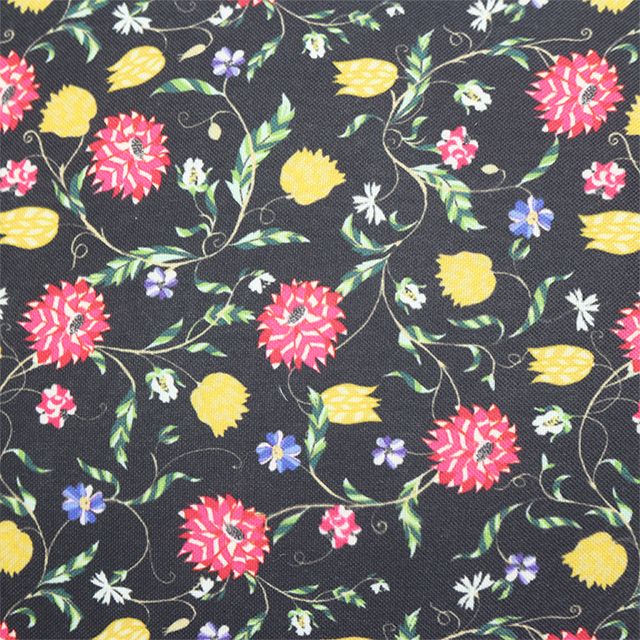
Replacing patio cushions often feels like a straightforward weekend project. You buy a fresh set, bring it home, and expect instant comfort. However, incorrect sizing quickly leads to uncomfortable seating, aesthetic mismatches, or frustrating return shipping processes. You need dimensions matching your specific furniture frames flawlessly. We recognize 19x19 inches as the undisputed industry standard for standard dining, club, and bistro patio chairs. This specific measurement balances adequate thigh support while keeping visual proportions perfectly crisp.
In this article, you will learn how to validate whether these specific cushions fit your current patio setup. We will also provide a strict evaluation framework for purchasing durable, high-performing replacements. By understanding fabric types, foam densities, and proper measurement techniques, you can confidently upgrade your outdoor living spaces. You will eliminate the guesswork and secure seating upgrades designed to last through multiple harsh weather seasons.
Key Takeaways
- The Universal Standard: 19x19 inches matches the seat pan dimensions of over 70% of standard outdoor dining and bistro chairs manufactured in the last decade.
- Measurement Realities: Fabric stretch and filling bulge mean a 19x19 pillow requires a chair seat pan of at least 18.5 to 19.5 inches for optimal performance.
- Material Dictates Lifespan: A 19x19 pillow made of solution-dyed acrylic (e.g., Sunbrella) will outlast standard printed polyester by 3 to 5 years under direct UV exposure.
- Thickness Matters: A 19x19 footprint only provides comfort if paired with a minimum 2-inch to 3-inch high-density foam core.
1. The Geometry of Patio Furniture: Why 19x19 is the Industry Standard
Patio chairs require a delicate balance between adequate thigh support and visual proportion. When you select oversized cushions, the extra fabric bunches up awkwardly against the backrest. It creates an uneven seating surface. Conversely, undersized options leave harsh frame edges exposed. These sharp edges bite into your legs during long summer dinners. To solve this universal problem, major manufacturers standardize their metal, teak, and wicker dining chair seat pans. You will find most frames measure approximately 19 inches deep and 19 inches wide.
This specific standardized geometry explains why 19x19 Outdoor Pillows dominate the current market. They slide effortlessly into standard frames across various mainstream furniture brands. Manufacturers design them specifically to bridge the gap between structural chair supports and human ergonomics.
A true 19x19 cushion leaves a necessary ¼-inch to ½-inch clearance around the inner edges of a standard 20x20 outer frame. This intentional small gap prevents fabric chafing against the armrests. It maximizes the usable seating surface without forcing the foam core to compress unevenly. We see many homeowners struggle when they try forcing a larger 20x20 pad into a 19-inch space. The resulting fabric distortion causes premature wear along the side seams.
Let us look at a structural comparison chart detailing how standard seat pans align directly with specific cushion profiles.
Standard Patio Chair Dimensions vs. Cushion Profiles | Chair Type | Average Seat Pan (WxD) | Ideal Cushion Size | Visual & Ergonomic Outcome |
| Standard Dining Chair | 19.5" x 19.5" | 19x19 | Perfect fit, slight edge clearance for airflow |
| Compact Bistro Chair | 18" x 18" | 18x18 | Prevents edge bunching and seam stress |
| Deep Seating Lounge | 22" x 24" | 22x24 | Requires specialized oversized lounge profiles |
| U-Shape Wicker Frame | 19" x 19" (Rounded Back) | 19x19 (U-Shape Cut) | Matches rear contour exactly, avoids corner gaps |
Maintaining this slight edge clearance also promotes essential airflow. Moisture evaporates faster when the fabric does not press tightly against solid side panels. This geometry inherently protects the longevity of both the chair frame and the textile cover.
![Measuring a patio chair seat pan for replacement outdoor cushions]()
2. How to Measure Your Patio Chairs for a Perfect 19x19 Fit
Understanding physical implementation reality saves you from frustrating return shipping cycles. You must account for the "pinch and pull" variance inherent in all textile manufacturing. A product aggressively marketed as a 19x19 size may actually measure 18.5x18.5 inches seam-to-seam across the bottom flat panel. However, the fabric expands to a full 19x19 footprint at its widest inflated point across the center foam bulge. You need a chair pan that accommodates this inflated dimension.
Follow this exact step-by-step measurement logic to guarantee success when outfitting your patio:
- Measure Width Inside Armrests: Always measure side-to-side inside the armrests. Never measure the outer exterior frame width. You need the exact usable interior seating space where the foam will rest.
- Calculate Exact Depth: Measure from the front edge of the seat pan back to the backrest hinge. Stop your tape measure exactly where the vertical backrest meets the horizontal seat surface.
- Determine the Shape Match: Note carefully whether your specific chair requires a square back or a rounded back. A perfectly square pad will not sit properly in a deeply contoured wicker chair. It leaves awkward triangular gaps at the rear corners.
Risk mitigation starts directly with your chosen reference points. A remarkably common mistake involves measuring old, flattened cushions. Years of daily use yield distorted, spread-out dimensions. The foam breaks down and pancakes outward over time. These old measurements easily mislead you into buying oversized replacements. Always measure the hard chair frame directly. Keep your metal tape measure taut across the bare metal, plastic, or wood slats.
3. Fabric and Foam: Evaluating 19x19 Outdoor Pillows for Longevity
Evaluating outdoor textiles requires understanding how technical features translate into practical long-term outcomes. The outer fabric shell acts as your absolute first line of defense against harsh environmental factors. Sun, rain, and dirt attack these surfaces constantly.
First, compare solution-dyed acrylic materials against standard spun polyester. We must heavily contrast their distinct UV resistance capabilities. Spun polyester typically fades significantly within just one intense summer season. The aggressive sun bleaches its top-printed surface patterns. Conversely, solution-dyed acrylic locks in rich color for years. Textile manufacturers add strong UV pigments directly into the liquid polymer before extruding the actual fibers. This complex process ensures the vivid color penetrates all the way through the thread. It mirrors how a carrot remains orange throughout, rather than sitting on the surface like a painted radish.
Next, you must clearly understand the critical trade-off between waterproof and water-resistant materials.
- Waterproof Covers: These barriers block 100% of moisture from entering. However, they heavily trap interior condensation. If the stitched seams leak during a heavy rainstorm, the inner core breeds dangerous mold rapidly because the moisture cannot escape.
- Water-Resistant Covers: These modern fabrics repel light rain and morning dew while remaining highly breathable. Combined with specialized quick-dry foam, they represent the superior industry standard. Interior moisture evaporates rapidly through the textile weave.
The interior core setup ultimately dictates your daily physical comfort. We recommend evaluating foam density ratings carefully. An optimal setup utilizes high-resiliency (HR) foam. Industry experts suggest wrapping this firm core in soft Dacron batting. This layered construction maintains strong structural integrity. It prevents the 19x19 Outdoor Pillows from flattening into hard, uncomfortable pancakes after a few months of heavy weekend use.
4. Construction Features That Prevent Sliding and Sagging
A perfectly sized square pad fails completely if it constantly shifts under you during dinner. Security and everyday usability depend entirely on specific construction elements. When evaluating potential upgrades, you must look closely at how they securely anchor to your furniture frames.
Evaluate the attachment mechanisms provided by the manufacturer. Corner ties remain the traditional, highly reliable choice. They loop securely around metal posts or thick wicker weaves. Make sure the stitching anchoring these ties feels robust. Velcro straps offer much quicker installation and removal for winter storage. For sleek, modern chairs lacking open backrest posts, look for slip-resistant rubberized backing. This hidden friction feature grips smooth metal or polished teak surfaces firmly without requiring visible strings.
Long-term scalability relies heavily on easy washability. We strongly advocate for products featuring discrete hidden zippers. Removable covers allow for effortless machine washing at home. This simple access feature drastically extends the product's usable life. It vastly outperforms spot-clean-only tufted variants. When accidental barbecue spills happen, you simply unzip the cover, run a gentle wash cycle, and line dry the shell.
Finally, examine the edge detailing closely. Piped or welted edges reinforce the perimeter seam structure significantly better than basic knife-edge finishing. The extra cord sewn directly into the seam adds crucial rigidity. It helps the inner foam maintain its crisp, attractive square profile. It also actively protects the underlying structural stitching from direct friction against chair armrests.
5. Decision Framework: Shortlisting Your 19x19 Replacement Cushions
Shortlisting logic must align directly with your specific use-case scenario. Treating every patio environment identically usually leads to poor investments and mismatched expectations.
For high UV exposure zones or entirely uncovered patios, you must mandate solution-dyed acrylics and UV-treated threads. You will certainly expect a higher upfront cost. However, you achieve a significantly lower long-term replacement frequency. The harsh afternoon sun degrades inferior fabrics rapidly in these exposed southern-facing zones.
For covered front porches or enclosed glass sunrooms, you can relax your material constraints safely. Spun polyester or soft Olefin provides perfectly acceptable performance here. You benefit directly from a significantly lower price point while still enjoying vibrant color options.
Consider the functional difference between active dining and relaxed lounging. Upright dining chairs require firmer, 2-inch flat pads. This thinner profile ensures you sit at the correct ergonomic height relative to your dining tabletop. Deep lounge setups benefit greatly from 3-to-4-inch tufted profiles. Thicker layers invite relaxed, extended conversational seating.
Material and Thickness Decision Matrix | Environment / Furniture Use | Recommended Fabric Type | Recommended Thickness | Primary Expected Benefit |
| Direct Sun Dining Area | Solution-Dyed Acrylic | 2 to 2.5 inches | Extreme fade resistance, ideal ergonomic height |
| Covered Porch Dining | Spun Polyester | 2 inches | High cost-efficiency, easy seasonal swapping |
| Uncovered Lounge Seating | Solution-Dyed Acrylic | 3 to 4 inches | Plush long-term comfort, extreme durability |
| Enclosed Sunroom Club Chairs | Olefin | 4 inches (Tufted Style) | Soft indoor texture, moderate stain resistance |
Your next-step actions are quite clear. First, audit your current patio chairs today. Grab a sturdy tape measure and document the hard frame dimensions precisely. Next, determine your daily UV exposure levels accurately based on shade coverage. Finally, filter your favorite ecommerce search specifically by the required material type and zipper access.
Conclusion
Standardized 19x19 dimensions remove the stressful guesswork from upgrading your patio dining and club chairs. They provide a universally accepted geometry fitting most modern outdoor furniture frames seamlessly. By sticking closely to this reliable industry benchmark, you avoid the frustrating bunching of oversized pads and the sharp, uncomfortable edges of undersized ones.
However, basic dimensions represent only half the battle. Combining this precise size with excellent UV-resistant fabrics and firm high-density foam forms the true formula for a lasting investment. The right internal core materials prevent premature sagging, while high-performance outer shells lock in beautiful color year after year.
Take action right now. Grab a tape measure and audit your rigid chair frames today. Once you verify your precise interior seating dimensions, explore dedicated collections categorized by high-performance exterior fabrics. Upgrading your seating comfort actively transforms an average backyard patio into your absolute favorite living space.
FAQ
Q: Will a 19x19 outdoor pillow fit an 18x18 chair?
A: No, it will likely bunch up awkwardly at the sides. Forcing a larger pad into a smaller seat pan causes the interior foam to warp prematurely. The fabric chafes constantly against the armrests, stressing the perimeter seams. It is always better to size down to an exact 18x18 fit.
Q: How thick should a 19x19 patio cushion be?
A: We recommend 2 to 2.5 inches for standard dining chairs. This specific thickness maintains proper table-height ergonomics without raising your knees uncomfortably high. For relaxed, conversational lounge seating, look for plusher profiles measuring 3 inches or thicker.
Q: What is the difference between an outdoor pillow and an outdoor seat cushion?
A: Consumers often use the term "pillow" interchangeably. Technically, "cushions" or "pads" belong flat on the horizontal seat pan to bear heavy body weight. "Pillows" typically sit vertically to provide soft lumbar back support. When discussing a 19x19 size, it almost always refers to the foundational seat cushion.
Q: Can I leave my 19x19 cushions outside in the rain?
A: Water-resistant cushions easily survive light summer showers. However, you should tilt them upright afterward to drain surface moisture rapidly. We strongly advise storing them away safely in a dry deck box during heavy multi-day storms or harsh winter weather to maximize their usable lifespan.