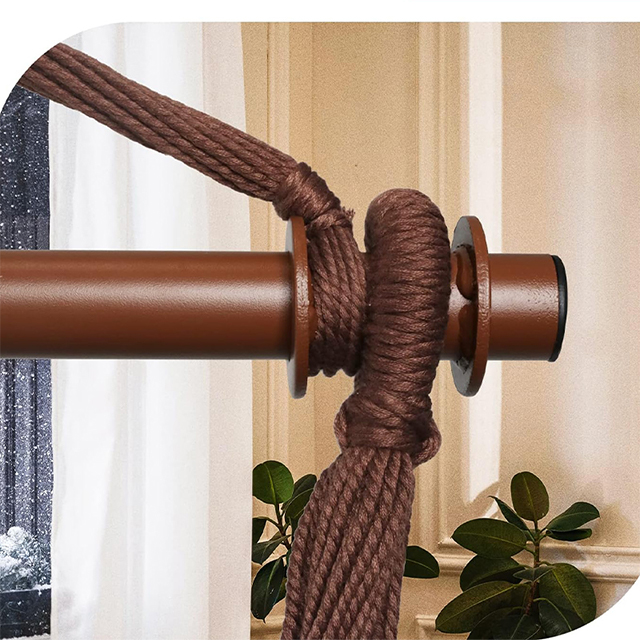
Standard outdoor furniture often feels rigid and uninspired. Many homeowners now shift toward versatile hanging seating options instead. A Bar Hammock Chair offers a unique blend of upright support and hammock-style suspension. Buyers frequently hesitate before making a final decision. You must carefully balance spatial limitations and installation safety against personal comfort and aesthetic preferences. Getting this wrong can lead to cramped spaces or unsafe setups. The right choice depends entirely on three critical alignments. First, you need to assess architectural capacity to ensure secure hanging points. Second, environmental suitability dictates proper material selection for indoor or outdoor use. Finally, you must evaluate ergonomic dimensions regarding spreader bar width and fabric style. We will guide you through these precise steps. You will learn exactly how to transform empty corners into perfect relaxation zones securely and stylishly.
Key Takeaways
- Space dictates the mount: A minimum ceiling height of 7 to 8 feet and a 3-foot rotational radius are baseline requirements for safe installation.
- Spreader bar materials matter: Hardwoods (like oak or bamboo) offer classic aesthetics and flexibility, while metal bars provide rigid, weather-proof durability.
- Fabric dictates placement: Untreated cotton is strictly for covered or indoor spaces, whereas poly-blends or weatherproof ropes are required for exposed outdoor use.
- Safety is non-negotiable: Mounting hardware must anchor directly into a structural joist or a certified hammock stand, never drywall or decorative beams.
Assessing Your Space: Dimensional and Clearance Requirements
Calculating Vertical Drop and Overhead Clearance
The ceiling height serves as your absolute baseline. A minimum overhead clearance typically sits between 7 and 8 feet. This specific height accommodates the chair structure along with essential mounting hardware. If you attempt installation in lower ceilings, you risk scraping the floor. Taller ceilings often require additional extension chains to bring the seat down to a usable level.
"Drop length" measures the vertical distance from your mounting point down to the very bottom of the chair. You want an ideal seating height roughly 12 to 18 inches off the floor when occupied. Keep material elasticity in mind during this calculation. Fabric stretches naturally under human weight. Calculate this drop carefully to avoid dragging your feet. You also want to avoid feeling overly elevated. Suspension chains or adjustable straps help fine-tune this drop length perfectly.
Common Mistakes:
- Measuring drop length without accounting for human weight.
- Ignoring the length of the carabiner and swivel hook in total calculations.
- Installing seats too high, causing poor circulation in the legs.
The Rotational Radius
Suspended seating moves dynamically. You absolutely need a clear 360-degree clearance zone. We highly recommend keeping a minimum 2 to 3-foot buffer away from walls, windows, and railings. People naturally sway or spin while relaxing. Children often push the boundaries of gentle swaying. A proper physical buffer prevents collision damage to both your home architecture and the furniture.
Measure outward from the exact center plumb line to establish this radius. Use a piece of string tied to a weight. Let it hang from your proposed ceiling point. Measure three feet in every direction from where the weight rests. If you hit a bookshelf or a windowpane, you must choose a different spot. This simple test saves substantial repair costs later.
Stand vs. Suspended Mount
You have two primary installation paths. C-stands require dedicated floor space but offer excellent mobility. You can move them from the patio to the living room easily. Ceiling mounts boast a zero floor footprint. They look completely seamless and minimalist. However, they remain permanent fixtures. They strictly require verified structural integrity overhead.
Installation Methods Comparison | Mounting Method | Floor Footprint | Mobility | Structural Requirement |
| Freestanding C-Stand | High (approx. 4x4 ft) | High (easy to relocate) | None (self-supporting) |
| Ceiling/Beam Mount | Zero | Permanent | Solid wood joist or concrete ceiling |
| Exposed Beam Strap | Zero | Moderate (can untie) | Load-bearing structural beam |
Decoding Spreader Bar Specifications
Bar Width and Ergonomics
Spreader bars fundamentally shape your seating experience. Typical lengths range from 30 to 45 inches. This critical dimension directly dictates available shoulder room. It ultimately controls the overall openness of the chair. Narrower bars naturally draw the fabric closer together. This creates a snug, reading-nook vibe.
Follow a simple decision rule here. Wider bars prevent the fabric from cocooning too tightly around your torso. They offer a much more open, lounge-like feel. This openness benefits taller individuals or those with broader shoulders. However, wider bars demand broader physical clearance inside your room. Choose according to your body type and available floor space.
Material Evaluation: Wood vs. Metal
Let us analyze hardwoods first. FSC-Certified wood, teak, or bamboo deliver a classic, organic aesthetic. Wood provides natural flex under heavy loads. It fits perfectly into indoor or covered outdoor environments. Hardwoods do require routine maintenance. You must varnish or oil them annually. Moisture causes unsealed wood to swell and split.
Metals cater to entirely different needs. Powder-coated steel or aluminum handle high weight capacities effortlessly. Metal brings a modern, industrial look to any patio. It also offers superior weather resistance compared to raw timber. Aluminum will never rust. Steel provides maximum rigidity but requires checking for scratched coatings to prevent eventual oxidation.
![Selecting Fabric Based on Environment and Use Case]()
Selecting Fabric Based on Environment and Use Case
Indoor Comfort vs. Outdoor Resilience
Cotton and canvas materials work beautifully for indoor or sunroom setups. They are highly breathable and wonderfully soft against bare skin. However, untreated cotton degrades quickly outdoors. It remains highly prone to mildew and severe UV degradation if left outside unprotected. Sunlight breaks down cotton fibers, causing them to tear unexpectedly.
Polyester and olefin blends represent the standard for patio environments. Poly-blends resist fading efficiently. They dry rapidly after summer rainstorms. You get excellent durability without sacrificing too much tactile comfort. These synthetic fibers resist mold spores naturally. A quick wipe down usually handles most superficial dirt.
Macrame and rope designs look highly aesthetic. They offer maximum airflow. This makes them ideal for hot, humid climates where solid canvas feels suffocating. Always ensure you select a tight-weave rope design. Loose weaves create uncomfortable pressure points over extended sitting sessions. Tight weaves distribute your body weight evenly across the entire surface.
Maintenance and Washability
Fabric hygiene matters immensely for long-term enjoyment. Advise buyers to check all connection points carefully. Can you easily remove the fabric from the spreader bar? Machine washing remains a crucial feature for busy families. Pet hair, spilled drinks, and general grime accumulate quickly on lighter fabrics.
Outdoor setups gather dust, pollen, and bird droppings daily. Removable fabrics simplify seasonal deep cleaning significantly. Always use cold water cycles when washing. Hot water damages structural fibers. Air dry the fabric to prevent permanent shrinkage. Never place canvas in a mechanical dryer unless the manufacturer explicitly permits it.
Structural Integrity: Mounting Safety and Weight Capacities
Understanding True Weight Limits
Never assume universal safety limits apply everywhere. Stated capacities for the chair usually range between 250 and 330 lbs. However, the mounting point possesses its own actual load-bearing limit. A strong fabric means nothing if the ceiling anchor pulls loose.
Safety experts emphasize a crucial engineering principle here. The weakest link dictates your true maximum weight limit. This weak link could be the carabiner, the suspension strap, the ceiling joist, or the chair fabric itself. Evaluate every single component carefully. Dynamic loads generate more force than static loads. When someone plops down heavily, the force multipliers increase dramatically. Always build in a substantial safety margin.
Hardware and Joist Requirements
Avoid mounting directly into drywall under any circumstances. Decorative false ceilings also present massive safety hazards. We highlight the absolute necessity of locating structural wooden joists. You must use a high-quality stud finder to map the ceiling accurately. Concrete overheads also provide incredibly safe anchoring points if you use proper masonry expansion anchors.
Follow these non-negotiable hardware requirements for every installation:
- Heavy-duty lag screws (minimum 3/8-inch diameter and 3 inches long).
- Heavy-duty swivel hooks to prevent rope friction, twisting, and snapping.
- Climbing-grade carabiners for secure, quick attachments.
- Industrial-grade suspension straps if looping around exposed structural beams.
Best Practices: Drill pilot holes before inserting lag screws. This prevents older wooden joists from splitting. Splitting compromises the holding power of the screw entirely. If you feel unsure about your ceiling structure, hire a professional contractor to assess the load limits.
Bar Hammock Chair vs. Traditional Swing Chairs (Shortlisting Logic)
Posture & Support
Let us contrast different seating styles directly. Flexible, contouring dynamics define a high-quality Bar Hammock Chair. They support your legs and back based on natural weight distribution. The fabric molds precisely to your specific spinal curve. It alleviates pressure points naturally.
A traditional egg chair or wooden porch swing uses a rigid frame. Rigid frames force you into predetermined postures. You often need extra pillows to achieve baseline comfort. Sitting in a rigid frame for hours can cause lower back fatigue. Fabric suspension systems avoid this problem by distributing weight dynamically across the entire surface area.
Storage & Scalability
Hanging canvas seating offers incredible spatial flexibility. You can easily unclip them from the carabiner. They roll up compactly during off-seasons. You can store them in small closet bins or under beds. This makes them perfect for apartments or small balconies.
Rigid swing chairs require dedicated year-round space. They consume valuable garage real estate during winter. You cannot easily dismantle a large wicker egg chair. If you move frequently or value minimalist living, traditional swings pose significant logistical challenges.
Final Decision Matrix
We strongly recommend the flexible approach. Buyers prioritizing space-saving setups benefit greatly. You gain high packability and a relaxed, conforming seating posture. Below is a quick matrix to finalize your decision based on lifestyle factors.
Seating Styles Decision Matrix | Feature | Bar Hammock Chair | Traditional Swing Chair |
| Posture Support | Dynamic and conforming | Rigid and fixed |
| Storage Requirements | High packability (rolls up) | Bulky, hard to store |
| Space Efficiency | Minimal permanent footprint | Large spatial demand |
| Installation Effort | Requires finding joists | Often freestanding |
Conclusion
Purchasing the ideal suspended seat demands careful alignment of multiple factors. You must match the spreader bar width to your room dimensions and body type. Fabric types must correlate directly with your local climate conditions to ensure longevity. Canvas thrives indoors, while poly-blends conquer the backyard.
Always verify structural mounting points before clicking buy. Your physical safety relies entirely on solid wooden joists and premium hardware. Never cut corners on lag screws or swivel hooks.
Take action today by measuring your ceiling height and rotational clearance. Once you confirm your spatial limits, browse specialized heavy-duty mounting kits. Then, explore indoor canvas collections or weatherproof outdoor series to finalize your perfect relaxation setup.
FAQ
Q: How much weight can a standard bar hammock chair hold?
A: Standard models typically hold between 250 and 350 lbs safely. However, this capacity strictly depends on your mounting hardware and ceiling joists. Always calculate limits based on the weakest component in your entire suspension system.
Q: Can I hang a bar hammock chair from a drywall ceiling?
A: No. Drywall cannot support human body weight under any circumstances. You must anchor mounting hardware directly into a solid wooden ceiling joist or structural concrete overhead to prevent catastrophic structural failure and injury.
Q: How high should a bar hammock chair be off the ground?
A: We recommend an unoccupied clearance of 12 to 18 inches off the floor. Fabric will naturally stretch when you sit down. This specific height ensures you can comfortably rest your feet without dragging them.
Q: Can I leave my wooden spreader bar outside year-round?
A: We advise against this. Unless the wood is marine-treated or specifically sealed for extreme weather, continuous exposure causes cracking, fading, and rot. Store it indoors during harsh seasons.