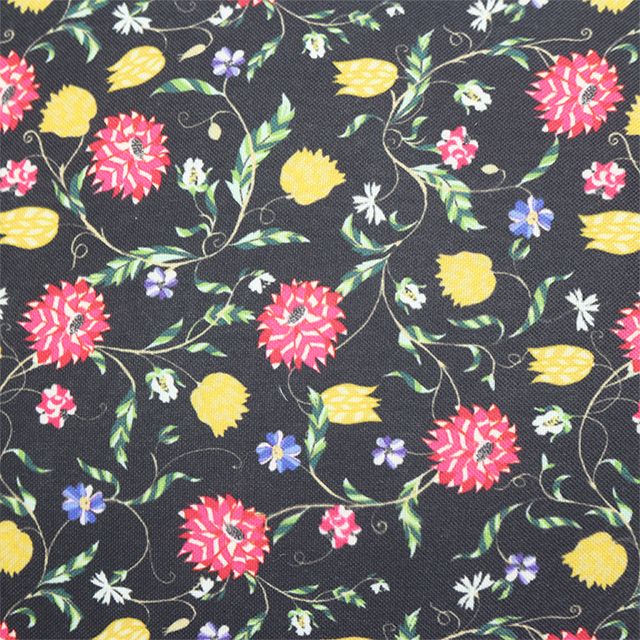
Upgrading patio décor often comes down to the right textiles. Mismatched sizing can make seating look sloppy or feel uncomfortable. The 19x19 size is a highly specific, industry-standard dimension. It fits seamlessly on most modern deep-seating patio chairs and sofas. It does this without overcrowding the seat depth. We must transition from aesthetic inspiration to practical evaluation. A successful purchase requires balancing visual appeal against structural demands. You must consider UV resistance, mold prevention, and maintenance realities. In this guide, we break down optimal sizing standards. You will discover top stylish recommendations grouped by use-case. We also explore how to evaluate fabric durability for long-term outdoor use. Choosing the right textiles ensures your patio remains beautiful and functional.
Key Takeaways
Size Precision: A 19x19 cover typically requires a 20x20 insert for a plump, tailored look that prevents sagging.
Material Hierarchy: Solution-dyed acrylics (like Sunbrella) offer the highest fade resistance, while spun polyester offers budget-friendly seasonal versatility.
Weather Reality Check: "Water-resistant" does not mean "waterproof"; even premium 19x19 outdoor pillows require proper drainage and off-season storage to prevent mildew.
ROI Factor: Purchasing removable covers with hidden zippers yields a higher long-term ROI than sewn-closed pillows, allowing for easy washing and seasonal aesthetic swaps.
Why 19x19 Outdoor Pillows Are the Optimal Patio Sizing Standard
Furniture Compatibility
Finding the perfect cushion size often challenges homeowners. Lumbar designs often look too small on deep-seating furniture. Oversized 22x22 floor cushions easily overwhelm standard frames. The 19x19 footprint perfectly bridges this sizing gap. Most modern outdoor lounge chairs feature a seat depth between 20 and 24 inches. Adding 19x19 Outdoor Pillows leaves ample room for comfortable seating. Guests can lean back naturally. The cushion supports the lower back without pushing the sitter off the chair edge.
The Insert Rule (Implementation Insight)
Professionals always rely on the "size-up" rule for inserts. You should never buy an insert matching your cover exactly. A 19x19 cover requires a slightly larger insert. We highly recommend using a 20x20 insert. The extra inch forces the filling into the sharp corners. It eliminates floppy edges. The pillow maintains its structural integrity after sustained daily use. A tightly filled cover resists wrinkles better. It presents a tailored, high-end look.
Visual Weight
Proportion matters in exterior design. This specific dimension provides excellent visual weight. It offers enough surface area to showcase intricate patterns. Bold textures stand out beautifully. Yet, the pillow never engulfs standard outdoor lounge chairs. You can easily group two pillows on a standard sofa. They will complement the furniture frame. The right visual weight anchors your seating arrangement. It creates a cohesive, inviting outdoor living space.
Top 10 Stylish 19x19 Outdoor Pillows (Categorized by Use-Case)
We curated ten exceptional design profiles for various outdoor environments. These recommendations help you match performance specs to your specific exposure levels.
The High-Performance Rain Survivors
These selections dominate in fully exposed patios. They handle direct pool-side seating effortlessly. They utilize quick-dry foams, water-repellent coatings, and UV-resistant threads.
Aesthetic Vibe: Deep, saturated blue offering minimalist elegance.
Durability Rating: Exceptional. Withstands relentless direct sunlight.
Best For: South-facing patios. Modern minimalist deck layouts.
The Indoor-Outdoor Transitional Luxe
These pillows prioritize a soft-hand feel. They feature textured weaves like outdoor bouclé or chenille. They use muted, sophisticated palettes. They suit covered patios and sunrooms perfectly.
Best For: Deep-seating porch swings. Elegant loggia setups.
The Artisan & Custom Designs
This category highlights small-batch patterns and customizable piping. It features unique motifs often found in handcrafted markets. They suit highly personalized décor themes.
Aesthetic Vibe: Bohemian, eclectic, and highly detailed.
Durability Rating: Fair. Post-production coatings wear off eventually.
Best For: Eclectic garden nooks. Shaded, low-traffic conversational areas.
8. The Custom Piped Monogram
Core Feature: Contrast welting and personalized embroidery.
Aesthetic Vibe: Traditional, preppy, and highly tailored.
Durability Rating: Fair to Moderate. Embroidery threads may fade faster.
Best For: Front porch rocking chairs. Signature home entryways.
The Budget-Friendly Seasonal Refresh
These options use spun polyester. They feature trendy seasonal prints. They offer cost-effective pricing for shaded areas. They cater to buyers who swap themes annually.
Aesthetic Vibe: Bright lemon and orange botanical prints.
Durability Rating: Basic. Expect a lifespan of one to two seasons.
Best For: Shaded balconies. Quick summer party décor updates.
10. The Autumn Plaid Update
Core Feature: Printed polyester offering crisp color resolution.
Aesthetic Vibe: Cozy rust and mustard tartan plaid.
Durability Rating: Basic. Ideal for mild fall weather.
Best For: Covered fire pit seating. Short-term seasonal styling.
Evaluating Outdoor Fabric: The Durability and Compliance Framework
Material Composition Breakdown
Choosing the right fabric dictates longevity. You must understand the difference between manufacturing techniques. Solution-dyed acrylic represents the gold standard. Manufacturers mix the color pigment directly into the liquid polymer. They do this before extruding the fiber. The color goes all the way through. It acts like a carrot. Printed polyester applies color only to the surface. It acts like a radish. Once the surface layer wears down, the underlying white fiber shows. Solution-dyed fabrics cost more upfront. However, they drastically outlast surface-printed alternatives.
Fade Testing Standards
Industry benchmarks rely on rigorous UV exposure ratings. Manufacturers test fabrics in specialized light chambers. They measure how many hours pass before noticeable fading occurs. You should always check the product label for these specs.
Fabric Type
Average UV Hour Rating
Fade Resistance Expectation
Solution-Dyed Acrylic
1,500 - 2,000+ hours
Excellent (Lasts 5+ years)
Spun Polyester
500 - 800 hours
Moderate (Lasts 1-2 seasons)
Printed Polyester
300 - 500 hours
Low (Fades in one season of direct sun)
Moisture Management
Shoppers often confuse "waterproof" and "water-repellent." This misunderstanding causes severe mildew problems.
Waterproof: These fabrics utilize non-porous backings (like PVC). They block all water entry. However, they also trap moisture inside the pillow. If condensation forms, mold grows rapidly inside the foam.
Water-Repellent: These fabrics feature chemical finishes. Water beads up and rolls off the surface. More importantly, the fabric breathes. Air circulation dries out any interior dampness. Breathability prevents hidden mildew growth.
Seam and Closure Integrity
Fabric alone cannot guarantee durability. The construction methods matter equally. Double-stitched seams are non-negotiable for long-term outdoor durability. They prevent blowout when users sit heavily against the cushion. You must also check the hardware. Standard zippers rust quickly outdoors. Marine-grade zippers use specialized molded plastics. They glide smoothly regardless of salt air or heavy rain exposure.
Covers vs. Sewn-Closed Pillows: Maintenance and Scalability
The Case for Removable Covers
Many retailers sell sewn-closed pillows. They seem convenient at first. However, investing in standalone removable covers changes everything. You pair them with high-quality outdoor-rated inserts. This strategy dramatically improves your long-term return on investment. A stained sewn-closed pillow often requires total replacement. Removable covers allow targeted cleaning. You can wash the cover independently. You can also swap covers seasonally while reusing the same insert. This scalability saves money over a three-to-five-year period.
Cleaning Realities
Maintaining textiles requires a strict workflow. Proper care extends the fabric lifespan significantly.
Spot Cleaning: Address spills immediately. Use a mild soap and lukewarm water solution. Gently agitate the stain using a soft-bristle brush. Rinse thoroughly to remove all soap residue.
Machine Washing: Only wash removable covers. Zip them completely closed before washing. Use the cold water delicate cycle.
Drying: Never use a heated tumble dryer. Heat degrades the water-repellent finish. It also shrinks the fabric. Always air dry the covers naturally.
Storage Considerations
Winter storage poses hidden risks. Many people ruin their pillows during the off-season. You must follow a strict framework. Ensure pillows are 100% bone-dry before storing them. Even slight surface dampness causes catastrophic mildew in storage. Place them in airtight plastic bins. Keep the bins in a dry garage or basement. Avoid storing them in damp outdoor sheds. Proper storage guarantees fresh, ready-to-use décor next spring.
Conclusion
Shortlisting Logic
Selecting the right textiles requires logical prioritization. You must advise yourself based on environmental realities first. Evaluate your patio's exposure to the elements. Determine if the space receives full sun, heavy rain, or complete shade. Choose solution-dyed acrylics for harsh sun. Opt for budget spun polyester for deep shade. Once you secure the right performance tier, address your aesthetic preferences. Match the colors and textures to your existing furniture.
Next Step Action
Do not guess your furniture dimensions. Take action before finalizing your shopping cart. Grab a tape measure. Measure your current chair seat depth. Measure your existing inserts. Confirm the 19x19 dimension provides the exact fit you need. Remember to purchase 20x20 inserts if buying standalone covers. Proper preparation ensures a flawless, comfortable patio upgrade.
FAQ
Q: Will a 19x19 outdoor pillow fit a standard patio chair?
A: Yes. Most modern outdoor lounge chairs and sofas feature seat depths between 20 and 24 inches. A 19x19 cushion fits seamlessly. It provides ample lower back support without pushing you off the front edge of the seat.
Q: What size insert do I need for a 19x19 pillow cover?
A: You should use a 20x20 insert. Following the standard "size-up" rule ensures optimal fullness. The slightly larger insert pushes the filling securely into the corners. It creates a plump, tailored look and prevents the cover from sagging.
Q: How long do outdoor pillows typically last before fading?
A: Lifespans vary based on material. Basic spun polyester typically lasts one to two seasons in direct sun. Premium solution-dyed acrylics last five or more years. Proper care and off-season storage significantly extend these realistic timelines.
Q: Can I leave my outdoor pillows in the rain?
A: High-quality options survive occasional rain showers. However, prolonged soaking degrades the internal foam. Constant moisture invites mold growth. You should always tip them vertically to drain water. Store them during heavy, prolonged storms.